
Wedding Video Timeline: Planning the Day So Nothing Gets Missed
A wedding film is only as good as the timeline that lets it be shot. The most common reason a film feels rushed or thin is not the videographer — it is a schedule that left no time for portraits, put the ceremony in harsh midday light, or ended coverage before the day’s best moments. A film-friendly timeline protects a handful of windows: enough morning prep for the calm, getting-ready footage; a ceremony timed for good light where possible; a dedicated couple’s portrait session; and ideally a few minutes at golden hour. This guide walks through a typical wedding day from a film’s perspective, shows how much time each segment really needs, and flags the scheduling mistakes that quietly cost couples the shots they most wanted.
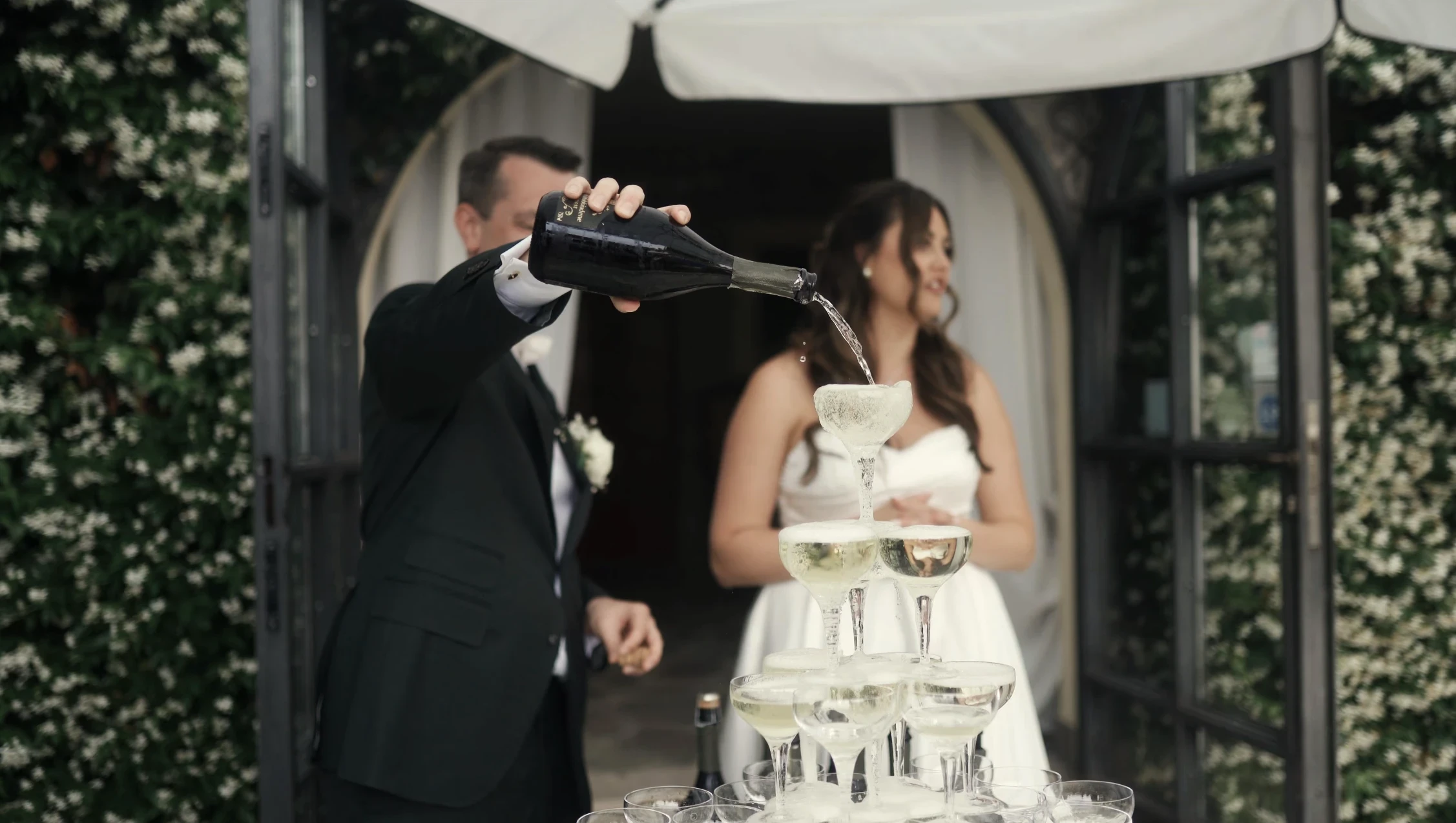
Your timeline is part of your film
Couples spend months choosing a videographer and minutes on the schedule that determines what that videographer can actually capture. Yet the most common reason a wedding film feels rushed, thin, or missing the moments you wanted is almost never the filmmaker’s skill — it is a timeline that left no room for the film.
A good videographer will review your timeline before the day and flag the risks. This guide explains what they are looking for, so you can build the schedule with the film in mind from the start.
A film-friendly day, segment by segment
Morning prep — allow 1.5–2 hours of coverage
The getting-ready footage — the calm before, the letters, parents helping, the dress and the details — sets the emotional tone of the film. It needs unhurried time. If the team arrives 30 minutes before you leave for the ceremony, that whole opening chapter is lost. Build in real morning coverage.
Travel and first look (optional) — 20–45 minutes
If you are doing a first look, it needs a quiet, unhurried slot before the ceremony — it is often one of the most emotional moments in the film. Factor travel time between locations honestly; rushed transfers are where footage and calm both disappear.
Ceremony — timed for light where possible
A ceremony in harsh midday sun creates deep shadows and squinting; the same ceremony in softer late-afternoon light looks dramatically better on film. You cannot always choose, but where you can, avoid the harshest midday hours for an outdoor ceremony. Tell your videographer the exact start time and whether vows are personal (they will mic accordingly).
Couple’s portraits — protect 30–45 minutes
This is the single most-cut segment and the one couples most regret losing. The portrait session is where the most cinematic, intentional footage of just the two of you is captured. If the schedule squeezes it to ten minutes between the ceremony and reception, the film loses its centrepiece. Protect this window as non-negotiable.
Golden hour — steal 10–15 minutes if you can
The hour before sunset gives the warmest, most flattering light of the day. Even a brief step away from the reception for a few golden-hour shots can become the most beautiful moments in the film. Ask your videographer when sunset is and whether a quick break is worth it — it almost always is.
Reception — speeches, first dance, the room
Speeches are emotional gold and need clean audio (a feed from the sound desk plus a mic). The first dance and the energy of the party close the film. Confirm whether your coverage runs to the end of formalities or all night.
The scheduling mistakes that cost you footage
- Too little morning time. The opening chapter of the film needs 1.5–2 hours, not a rushed 30 minutes.
- No dedicated portrait session. The most-regretted cut. Protect 30–45 minutes.
- Ceremony in harsh midday light when an afternoon slot was possible.
- Underestimating travel between multiple locations — buffer it generously.
- Coverage ending too early. If the package ends at 6pm, the first dance and evening atmosphere are simply not in your film. Match coverage hours to the moments you care about — see the packages guide.
- Not sharing the timeline with the videographer in advance. They can flag every risk above — but only if they see it before the day.
Build it together
The best timelines are built with your videographer (and photographer) in the loop, not handed to them the night before. Share your draft schedule early; a good team will tell you exactly where the film is at risk and how a small change protects it. For how this fits the booking process, see how to hire a videographer.
Where to go next
See full films that show what a well-timed day produces in the portfolio, read the packages guide on matching coverage hours to your day, and check the pricing page.
Frequently asked
- How do I build a wedding timeline that works for video?
- Protect a few key windows: 1.5–2 hours of morning prep coverage, a ceremony timed for softer light where possible, a dedicated 30–45 minute couple's portrait session, and ideally 10–15 minutes at golden hour. Match your coverage hours to the moments you care about, and share the draft timeline with your videographer in advance so they can flag any risks before the day.
- How much time should I allow for wedding portraits?
- Protect 30–45 minutes for the couple's portrait session. This is the most commonly cut segment and the one couples most regret losing, because it is where the most cinematic, intentional footage of just the two of you is captured. Squeezing it to ten minutes between the ceremony and reception costs the film its centrepiece, so treat this window as non-negotiable.
- What time of day is best for a wedding ceremony on film?
- Softer late-afternoon light is far more flattering on film than harsh midday sun, which creates deep shadows and squinting. You cannot always choose the time, but where you can, avoid the harshest midday hours for an outdoor ceremony. The hour before sunset, golden hour, gives the warmest light of the day and is worth stealing a few minutes for.
- What scheduling mistakes ruin a wedding film?
- The most common are too little morning coverage time, no dedicated portrait session, a ceremony in harsh midday light when an afternoon slot was possible, underestimating travel between locations, and coverage ending too early so the first dance and evening atmosphere are missing. Not sharing the timeline with the videographer in advance compounds all of these.
- Should I share my wedding timeline with my videographer before the day?
- Yes — sharing your draft schedule early is one of the most valuable things you can do. A good videographer will review it and flag exactly where the film is at risk, such as no time for portraits or a ceremony in difficult light, and suggest small changes that protect the footage. They can only do this if they see the timeline before the day, not the night before.