
The Journal
Wedding film, understood
Honest guides on what a wedding film costs, how the styles differ, where we shoot across Europe, and what actually matters when you choose a videographer.
Start here
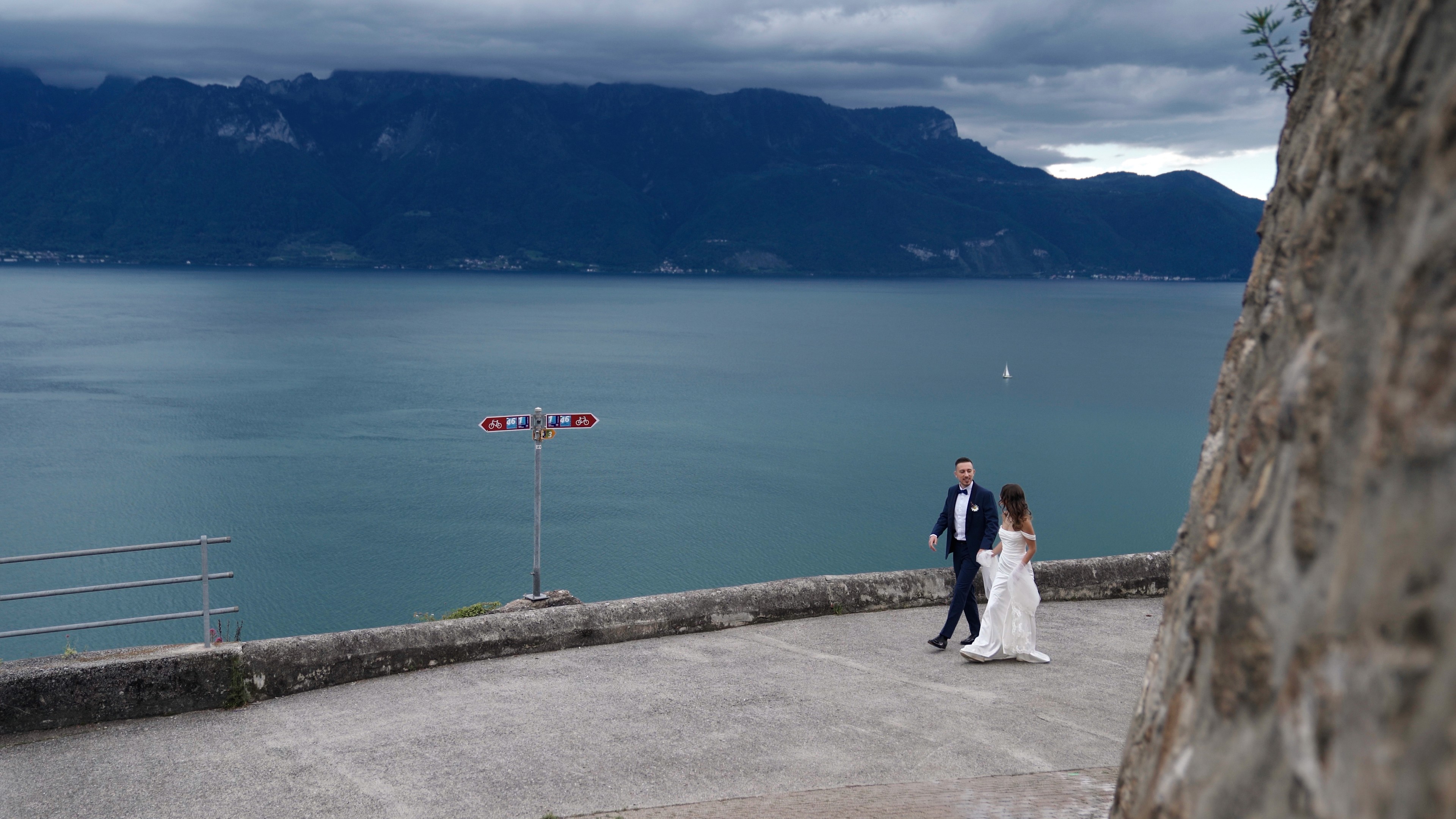
Destination Wedding Videographer: How to Hire a Film Crew That Travels to You
A destination wedding videographer is a film crew that travels to your venue — Lake Como, the Amalfi Coast, Santorini, the Scottish Highlands — rather than a local operator you have never seen work. The single most important decision is whether you bring a studio whose full films you already love, or hire a stranger near the venue and hope. A travelling crew arrives a day early, scouts the light, knows how to shoot a multi-day celebration, and delivers the same look you fell in love with in their portfolio. The trade-off is travel and accommodation cost, usually billed as a flat destination fee or at cost. This guide covers the logistics, what changes for a destination film versus a local one, and how to budget without surprises.
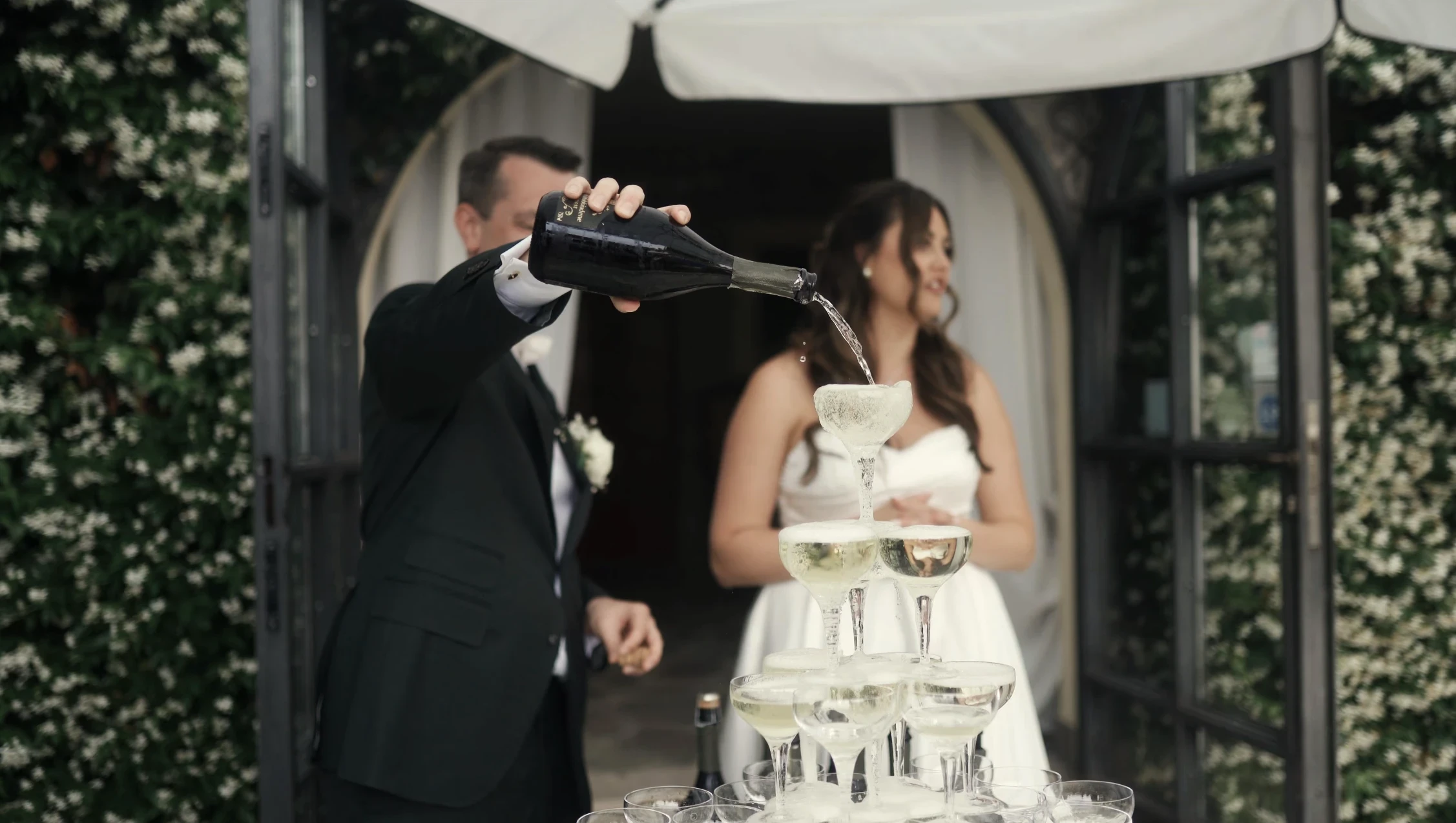
Wedding Video Timeline: Planning the Day So Nothing Gets Missed
A wedding film is only as good as the timeline that lets it be shot. The most common reason a film feels rushed or thin is not the videographer — it is a schedule that left no time for portraits, put the ceremony in harsh midday light, or ended coverage before the day’s best moments. A film-friendly timeline protects a handful of windows: enough morning prep for the calm, getting-ready footage; a ceremony timed for good light where possible; a dedicated couple’s portrait session; and ideally a few minutes at golden hour. This guide walks through a typical wedding day from a film’s perspective, shows how much time each segment really needs, and flags the scheduling mistakes that quietly cost couples the shots they most wanted.
Destinations
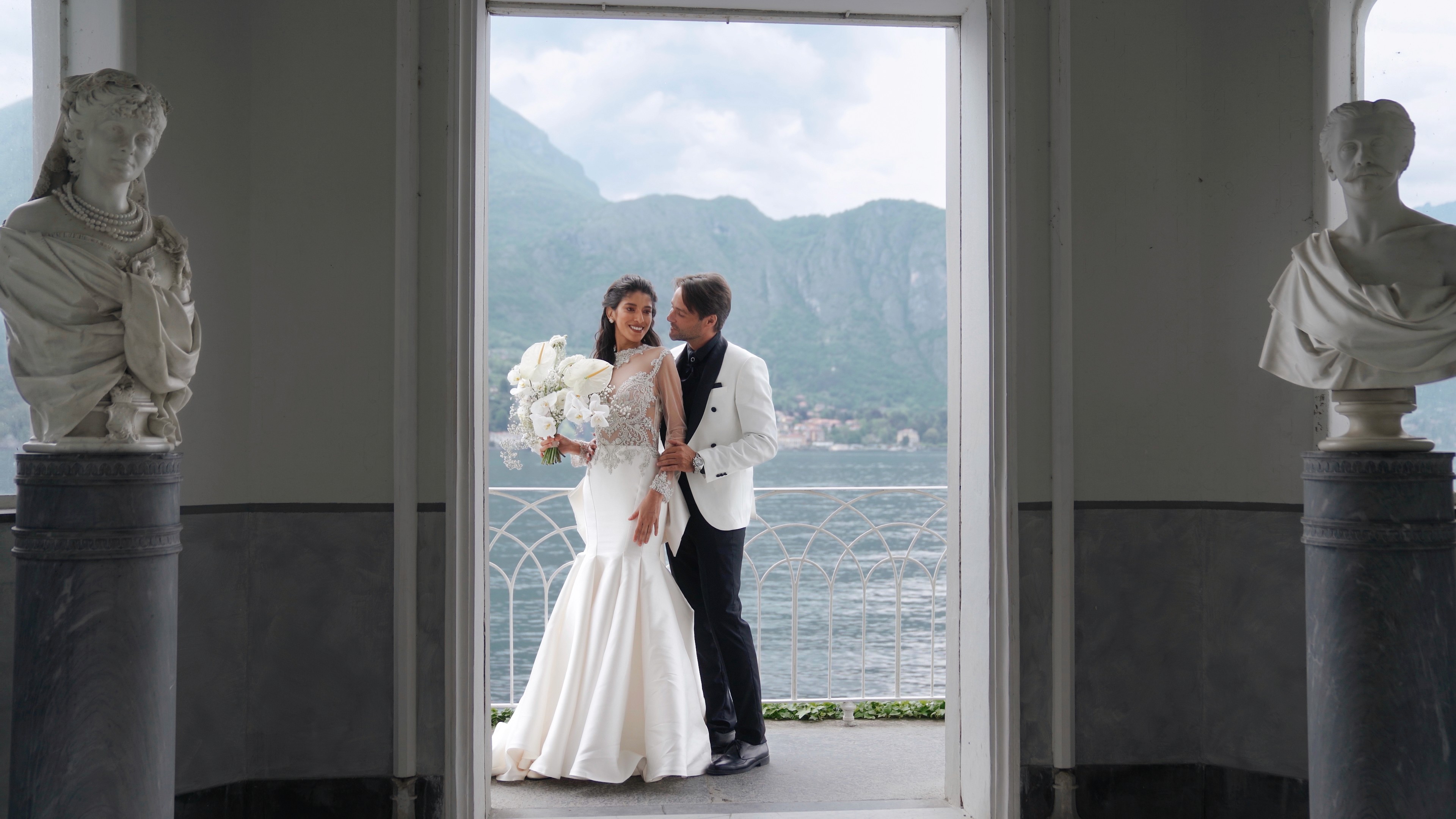
Wedding Videographer in Lake Como: Destination Films That Belong to the Place
Hiring a wedding videographer in Lake Como means bringing a destination crew that travels in, scouts the light, and knows the region’s venues. Lake Como is arguably the most filmed wedding destination in Europe — which means the bar for a film that does not look like every other Como reel is high. The water, the boat arrival and the villa terraces are the easy shots; the harder, better ones are the quiet villa interiors and the light coming off the lake at 7am. This guide covers what makes Lake Como work on film, the venues worth filming around, when to plan for the best light, and how destination pricing works — with all market ranges framed as general industry context, not a quote.
Wedding Videographer in Amalfi Coast: Destination Films That Belong to the Place
Hiring a wedding videographer in Amalfi Coast means bringing a destination crew that travels in, scouts the light, and knows the region’s venues. The Amalfi Coast is vertical — venues stack up the cliffs, and the best films use that height. But the same midday sun that makes the sea sparkle also creates harsh shadows on faces, so an Amalfi film lives or dies on timeline planning around the light. This guide covers what makes Amalfi Coast work on film, the venues worth filming around, when to plan for the best light, and how destination pricing works — with all market ranges framed as general industry context, not a quote.

Wedding Videographer in Santorini: Destination Films That Belong to the Place
Hiring a wedding videographer in Santorini means bringing a destination crew that travels in, scouts the light, and knows the region’s venues. Santorini gives you a backdrop no studio can build — but the caldera sunset is so iconic it is also a cliché. A Santorini film earns its place by using the white architecture and volcanic contrast in the hours around the obvious sunset, not just the sunset itself. This guide covers what makes Santorini work on film, the venues worth filming around, when to plan for the best light, and how destination pricing works — with all market ranges framed as general industry context, not a quote.
Wedding Videographer in Mykonos: Destination Films That Belong to the Place
Hiring a wedding videographer in Mykonos means bringing a destination crew that travels in, scouts the light, and knows the region’s venues. Mykonos pairs a party energy with luxury seclusion, and a good film holds both — the polished villa portraits and the late-night dancefloor. The island wind is the technical challenge: it punishes on-camera audio and unsteadies drones, so capture planning matters more here than most destinations. This guide covers what makes Mykonos work on film, the venues worth filming around, when to plan for the best light, and how destination pricing works — with all market ranges framed as general industry context, not a quote.
Wedding Videographer in Tuscany: Destination Films That Belong to the Place
Hiring a wedding videographer in Tuscany means bringing a destination crew that travels in, scouts the light, and knows the region’s venues. Tuscany is the warm counterpoint to the coastal destinations: the appeal is light and texture, not spectacle. The region rewards a documentary-leaning film that lets the landscape and the slow pace of a countryside celebration breathe, rather than a fast cinematic montage. This guide covers what makes Tuscany work on film, the venues worth filming around, when to plan for the best light, and how destination pricing works — with all market ranges framed as general industry context, not a quote.
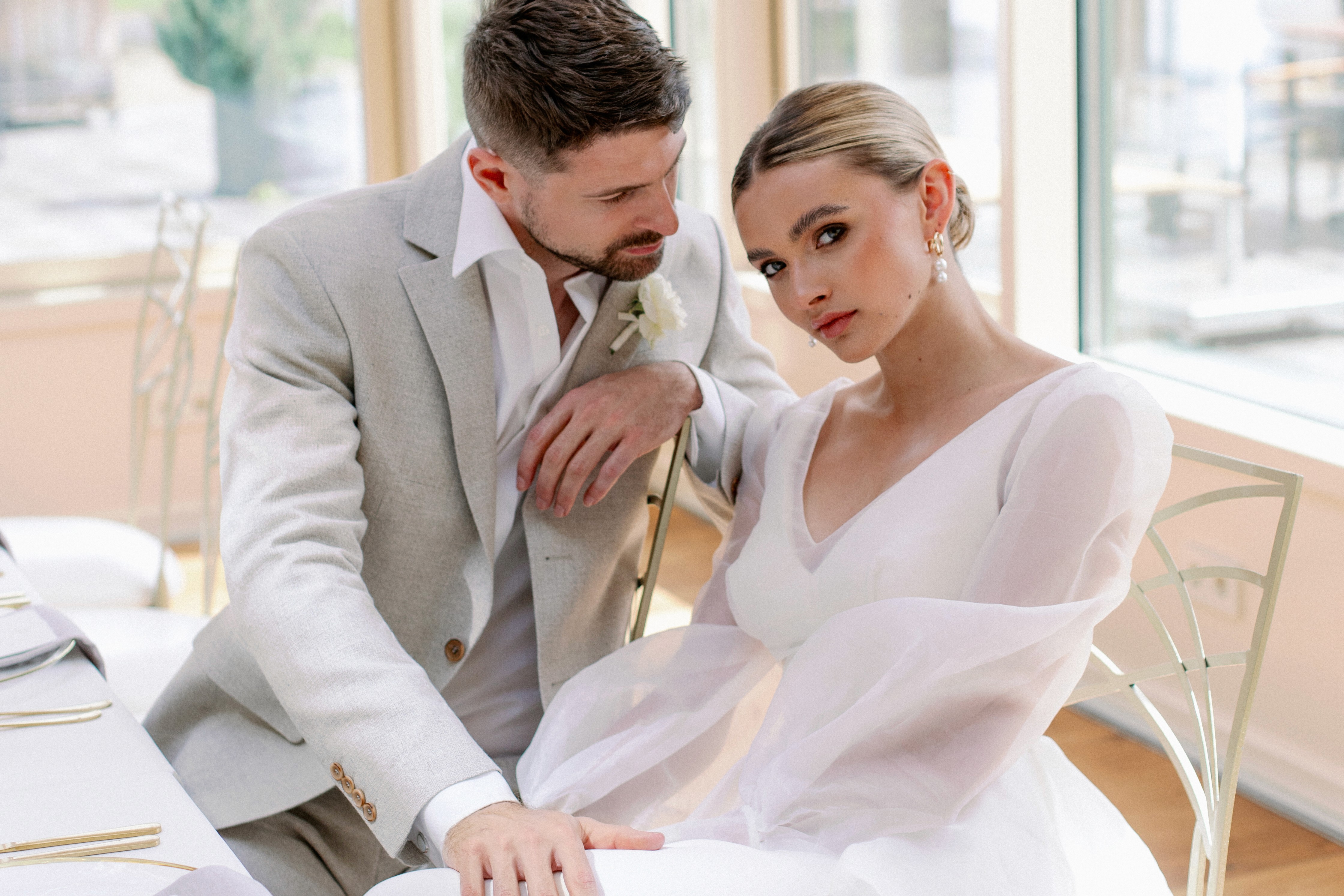
Wedding Videographer in Provence: Destination Films That Belong to the Place
Hiring a wedding videographer in Provence means bringing a destination crew that travels in, scouts the light, and knows the region’s venues. Provence is about a particular quality of light and an unhurried, château-and-countryside elegance. A Provence film leans editorial and warm; the lavender is a bonus that only exists in a narrow window, so timing the date to the bloom matters if it is central to the look. This guide covers what makes Provence work on film, the venues worth filming around, when to plan for the best light, and how destination pricing works — with all market ranges framed as general industry context, not a quote.
Wedding Videographer in Paris: Destination Films That Belong to the Place
Hiring a wedding videographer in Paris means bringing a destination crew that travels in, scouts the light, and knows the region’s venues. Paris is an urban destination wedding — the city itself is the venue. The film’s signature shots are the couple against the architecture and the Seine, but the strongest Paris films balance that postcard with the intimacy of a grand-hotel suite or a private hôtel particulier. This guide covers what makes Paris work on film, the venues worth filming around, when to plan for the best light, and how destination pricing works — with all market ranges framed as general industry context, not a quote.
Wedding Videographer in Ibiza: Destination Films That Belong to the Place
Hiring a wedding videographer in Ibiza means bringing a destination crew that travels in, scouts the light, and knows the region’s venues. Ibiza weddings run on a boho-luxury, sunset-and-party energy, often spread across a multi-day villa takeover. A film here captures a vibe as much as a ceremony — the finca, the open-air dinner, the sunset, and a reception that goes late — so coverage hours and a second shooter matter. This guide covers what makes Ibiza work on film, the venues worth filming around, when to plan for the best light, and how destination pricing works — with all market ranges framed as general industry context, not a quote.
Wedding Videographer in Monaco & French Riviera: Destination Films That Belong to the Place
Hiring a wedding videographer in Monaco & French Riviera means bringing a destination crew that travels in, scouts the light, and knows the region’s venues. Monaco and the wider Riviera are the ultra-luxury end of European destination weddings — yachts, belle-époque hotels and a glamour the film is expected to match. The signature challenge is shooting on and around water and yachts, which is a discipline of its own. This guide covers what makes Monaco & French Riviera work on film, the venues worth filming around, when to plan for the best light, and how destination pricing works — with all market ranges framed as general industry context, not a quote.
Wedding Videographer in Venice: Destination Films That Belong to the Place
Hiring a wedding videographer in Venice means bringing a destination crew that travels in, scouts the light, and knows the region’s venues. Venice is a film set with no roads — everything moves by water, including the couple. That logistical constraint becomes the film’s signature: the gondola or water-taxi arrival, the canal reflections, the palazzo interiors. A Venice film is romantic and architectural by nature. This guide covers what makes Venice work on film, the venues worth filming around, when to plan for the best light, and how destination pricing works — with all market ranges framed as general industry context, not a quote.
Cost & packages
Wedding Videography Cost Guide 2026: What a Destination Wedding Film Really Costs
In 2026, professional wedding videography in Europe commonly ranges from about €2,500 for a single-shooter highlight film to €12,000+ for a multi-day, multi-camera destination production with a same-day edit. The number you pay is driven by five things: hours of coverage, team size, the deliverables you choose (highlight film, full-length film, documentary edit, raw footage), travel and accommodation for destination shoots, and how cinematic the post-production is. This guide breaks down each cost driver so you can read any quote with confidence — and explains why the cheapest film is rarely the one you watch on your tenth anniversary.
Wedding Videography Packages Explained: What’s Actually Inside Each Tier
Wedding videography packages are usually built from the same building blocks — hours of coverage, number of shooters, which films you receive, how audio is captured, and delivery timeline — bundled into named tiers. The tier name (“Essential”, “Signature”, “Luxury”) means nothing on its own; what matters is the components inside. A mid tier typically means two shooters, 10–12 hours, a highlight film plus a longer feature edit, and proper audio capture. The cheapest tier almost always cuts the second shooter and professional audio first. This guide breaks down each component, explains which add-ons are worth it (clean vow audio, second shooter) and which rarely get watched (raw footage), and shows how to compare two packages that look different on paper but cover the same day.
Wedding Photo & Video Packages: Should You Bundle or Hire Separately?
A combined photo-and-video package means one studio (or two teams under one roof) covers both your photos and your film; hiring separately means a photographer you chose and a videographer you chose, who meet on the day. Bundles win on coordination and often on price — the two teams know each other, share a shot plan, and never elbow each other out of frame. Hiring separately wins on getting the exact best-in-class photographer and the exact best-in-class filmmaker, rather than a studio strong at one and average at the other. The right call depends on whether you weight photo or video more heavily, and how much you value the day running smoothly. This guide lays out the trade-offs in coordination, cost, style consistency and risk.
Film styles
Wedding Video Styles Explained: Cinematic, Documentary, Editorial & More
Wedding video styles fall into a few clear families: cinematic (scored, colour-graded, story-driven — the most popular), documentary (longer, less music, closer to how the day actually felt), editorial (fashion-led, stylised, bright), Super 8 and film (warm, grainy, nostalgic analog), and the same-day edit (a short film cut during the wedding and screened at the reception). Most studios blend two or three rather than working in one pure style. The right choice is not about which is “best” — it is about how you want to feel when you watch the film in ten years. This guide explains what each style actually looks and sounds like, who it suits, and how to tell which one a videographer truly specialises in.
Cinematic Wedding Film: What Makes a Film Truly Cinematic
A cinematic wedding film is not footage set to music — it is a short film built with the same craft as cinema: a colour grade for a consistent, intentional look; real sound design layering vows, ambient sound and music; deliberate pacing that lets moments breathe; lensing choices like shallow depth of field and wide establishing shots; and above all, story structure with a beginning, middle and end. The word gets stuck on anything shot with a cinema camera, but the camera is the least important part. The real signal is invisible in a teaser and obvious in a full film: does it feel composed and emotional, or just a montage cut to a trending song? This guide explains the five craft elements that make a film cinematic and how to spot the genuine article.
Documentary Wedding Film: The Day, Told Honestly
A documentary wedding film captures your day as it actually happened — longer, less music-driven, built on real sound and unstaged moments rather than a polished trailer cut to a song. Where a cinematic film condenses the day into an emotional short film, a documentary edit lets it breathe: full vows, full speeches, the laughter and silences in between. It suits couples who care more about reliving the day exactly as it felt than about a stylised highlight. The common misconception is that documentary means unedited — it does not. The best documentary work is still crafted with great care; it simply hides the craft so the day feels unmediated. This guide explains what the style is, who it suits, and how to tell honest documentary work from raw, unstructured footage.
Same-Day Edit Explained: A Wedding Film Screened the Night It Happens
A same-day edit is a short wedding film cut during the wedding itself and screened at the reception that evening — a few minutes of the morning prep, ceremony and portraits, edited live while the celebration is still happening. It is a logistical feat: an editor works on-site under intense time pressure, receiving footage from the shooters in waves and racing to deliver a finished, music-scored, watchable film before the projector goes on. The payoff is a genuine highlight of the night — guests watching the day they just witnessed, told back to them as a film. It costs more than standard coverage because it requires an extra person (the on-site editor), a tight workflow, and zero margin for error. This guide explains how an SDE is made, what can go wrong, and whether it is worth it for your wedding.
Compared
Wedding Film vs Wedding Video: Is There Really a Difference?
There is no official dividing line between a wedding “film” and a wedding “video” — the words are not regulated. But in practice the industry uses them to signal an approach. “Film” usually implies a story-driven, colour-graded, sound-designed, cinematic piece crafted in post-production. “Video” often implies more straightforward documentation: longer, less edited, lighter on grading and sound design, sometimes a single-camera record of the day. The trap is that anyone can call their work a “film” regardless of craft, so the label alone tells you little. What actually separates the two is invisible in the name and visible in the work: storytelling, audio quality, colour grading, and editing depth. This guide explains what each term tends to signal and how to judge the real thing past the marketing.
Wedding Cinematographer vs Videographer: What’s the Difference?
The titles “wedding cinematographer” and “wedding videographer” are not protected, so anyone can use either — but they usually signal a difference in intent. A cinematographer frames the work as filmmaking: composition, lighting, lensing and story treated like cinema, with a colour-graded, sound-designed, narrative result. A videographer traditionally signals documentation: capturing the day reliably, often with lighter post-production. In modern practice the line has blurred, and many of the best wedding filmmakers use the terms interchangeably. The danger is assuming the grander title guarantees better work — it does not. What separates them in reality is the same set of craft markers that separate any good film from plain footage. This guide explains what each title tends to mean, why the distinction is fuzzy, and how to judge the actual skill behind either word.
Buying guides
How to Choose a Wedding Videographer: A Couple’s Guide to Getting It Right
Choosing a wedding videographer comes down to four things, in this order: watch at least one full film start to finish (not a 30-second teaser), confirm who actually shoots and edits your day, listen to how they capture audio, and check they have filmed your type of wedding before. The portfolio tells you whether their taste matches yours; the contract tells you whether the person whose work you fell in love with is the person who shows up. Price matters, but it is the last filter, not the first — the cheapest and most expensive quotes can both be wrong for you. This guide walks through how to read a portfolio like a professional, the six questions that reveal more than any sales call, and the warning signs that a beautiful Instagram grid can hide.
How to Hire a Wedding Videographer: Booking, Contracts & Timeline
Hiring a wedding videographer is a process with a clear order: shortlist on taste by watching full films, confirm availability for your date, settle the six questions that decide quality and cost, then read the contract carefully before paying a deposit. Book early — the best videographers are often reserved 9–18 months ahead, and for peak-season destination dates even further. The contract is the part couples skim and later regret: it must lock down who actually shoots, exactly what you receive, the delivery timeline, the cancellation and illness-backup terms, and the payment schedule. This guide walks through the full path from shortlist to signed contract, what each clause should say, and what happens between booking and your wedding day.
What to Ask a Wedding Videographer: 20 Questions Before You Book
The single most useful thing you can do before booking a wedding videographer is ask the right questions — and know what a good answer sounds like. This is the full checklist, grouped into six areas: experience and style, the team and who actually shows up, audio and technical setup, deliverables and timeline, the contract and the unexpected, and destination logistics. The two questions that most often expose a weak quote are how audio is captured and whether the person whose work you loved is the person who will film you. Print this list, ask every studio on your shortlist the same questions, and compare their answers side by side. A studio that answers all twenty clearly is one with nothing to hide.